We use cookies in the delivery of our services.
To learn about the cookies we use and information about your preferences and opt-out choices, please click here.
By using our platform you agree to our use of cookies.
We use cookies in the delivery of our services.
To learn about the cookies we use and information about your preferences and opt-out choices, please click here.
By using our platform you agree to our use of cookies.
 Charles de Lalaing
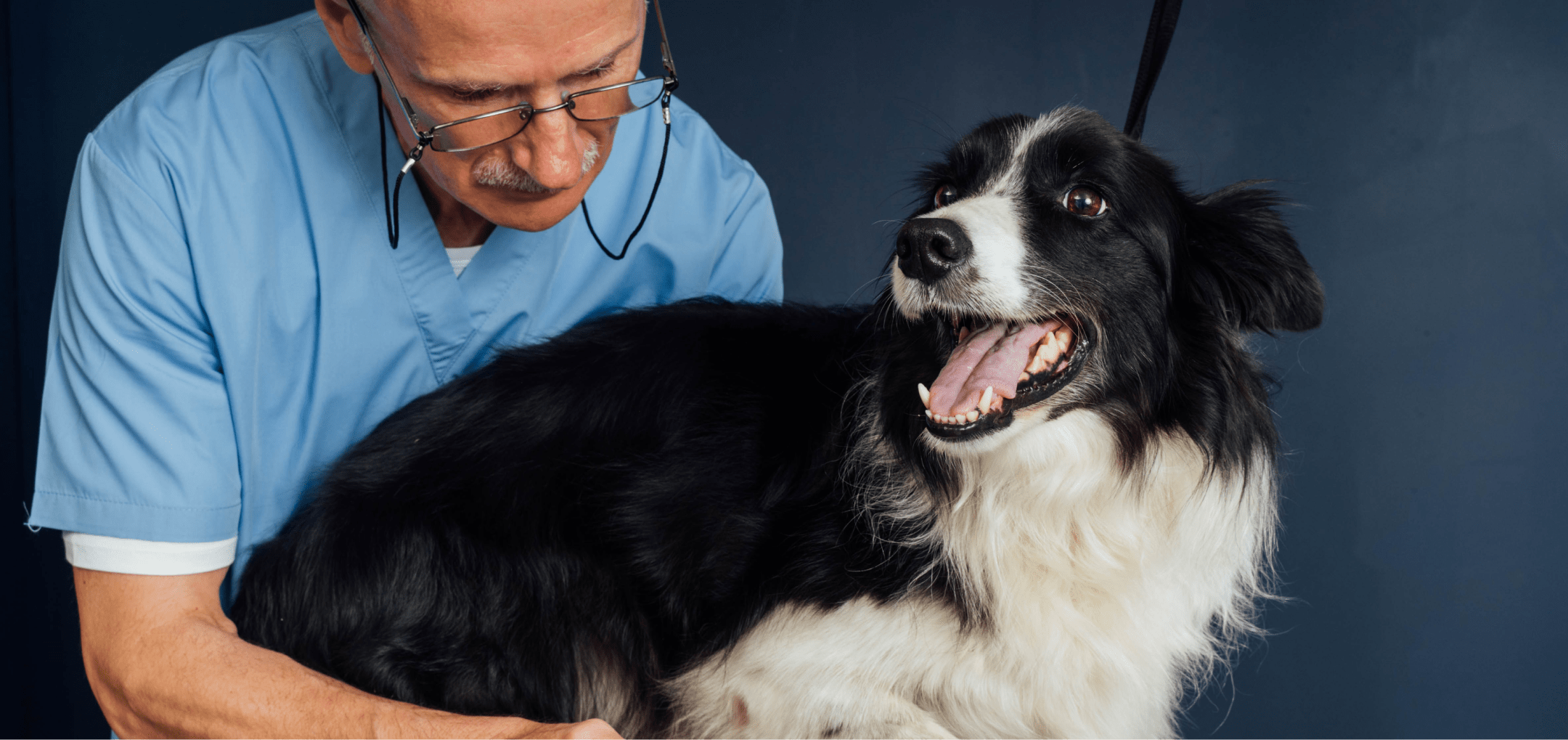
When most owners think about grooming, they usually focus on the appearance of their dog’s coat. A shiny coat, a neat haircut, and a fresh smell are often what immediately come to mind. However, professional grooming is about much more than aesthetics.
During a grooming appointment, groomers spend considerable time examining, washing, drying, and handling a dog’s coat and skin. This close contact often allows them to notice small changes that owners may not see at home.
While groomers are not veterinarians and cannot diagnose medical conditions, they are frequently among the first professionals to spot potential skin concerns. Because many skin problems initially develop beneath the coat, they can remain unnoticed for weeks or even months.
Dry skin is one of the most frequent concerns noticed during grooming sessions. It often appears as small white flakes scattered throughout the coat, similar to dandruff in humans.
While occasional dryness is usually harmless, persistent dandruff may indicate that the skin is struggling to maintain proper moisture levels. Weather changes, indoor heating, nutritional deficiencies, allergies, and unsuitable grooming products can all contribute to dry skin.
Dogs with dry skin may also scratch more frequently or appear uncomfortable when brushed. During grooming, these flakes often become much more visible, allowing owners to address the issue before it worsens.
Allergies are becoming increasingly common in dogs and are one of the leading causes of skin problems.
Unlike humans, who often react through sneezing or watery eyes, dogs frequently show allergic reactions through their skin. Common signs include redness, itching, excessive licking, irritated paws, and skin inflammation.
Some dogs react to environmental factors such as pollen, grass, dust mites, or mould, while others may be sensitive to ingredients in their food.
Because groomers see many dogs regularly, they are often able to notice when irritation becomes progressively worse over time.
Hot spots are painful, inflamed areas of skin that can appear surprisingly quickly.
They often develop when a dog repeatedly scratches, licks, or bites a particular area of the body. Moisture trapped beneath the coat after swimming, bathing, or rainy walks can also contribute to their formation.
Hot spots typically appear as red, moist patches of skin that are sensitive to touch. They can become infected rapidly if left untreated and are particularly common during warmer months.
Many owners are surprised by how quickly hot spots develop. A dog that appears perfectly healthy one day may develop a significant skin lesion only a few days later.
Although ears are often considered separately from skin conditions, groomers frequently notice issues around and inside the ears.
Dogs with floppy ears, such as Cockers, Cavaliers, Basset Hounds, and many Doodle breeds, are especially prone to moisture accumulation and poor airflow.
Signs that may raise concern include redness, unpleasant odours, excessive wax build-up, and sensitivity when the ears are touched.
Regular grooming appointments help ensure these signs are noticed early.
Parasites remain a common issue for many dogs, particularly during warmer months.
Fleas can cause significant discomfort and often lead to excessive scratching, irritated skin, and hair loss. In some dogs, flea bites trigger allergic reactions that make symptoms even more severe.
Ticks are also frequently discovered during grooming appointments, especially after walks in forests, parks, or areas with tall grass.
Because groomers thoroughly brush and inspect the coat, they often detect parasites that owners may have missed.
Bacterial and fungal skin infections are another concern that groomers occasionally encounter.
These infections can develop due to allergies, excessive moisture, untreated wounds, or underlying health conditions.
Common signs include persistent redness, unpleasant odours, crusty patches, hair loss, or areas where the skin appears thicker than normal.
Although treatment must always be provided by a veterinarian, regular grooming can help identify these problems at an earlier stage.
Not all skin problems involve dryness. Some dogs naturally produce more oil than others.
When excessive oil accumulates on the skin and coat, the fur may feel greasy and develop a stronger odour. Certain breeds are more predisposed to oily skin, and without regular maintenance, this can affect both comfort and coat quality.
Professional grooming helps remove excess oils while maintaining the natural balance of the skin.
One of the advantages of regular grooming is that groomers frequently handle every part of a dog’s body.
This means they often notice small lumps, unusual bumps, changes in pigmentation, or sensitive areas that owners may not have detected.
While many lumps are harmless, any new growth should always be monitored and evaluated by a veterinarian.
Many owners view grooming as a luxury or cosmetic service. In reality, grooming plays an important role in preventive care.
Regular appointments help maintain healthy skin, prevent matting, improve hygiene, and identify small concerns before they become larger problems.
The combination of professional observation and routine coat maintenance often contributes significantly to a dog’s long-term wellbeing.
Most skin problems do not appear overnight. They usually begin with subtle changes that are easy to miss beneath a dog’s coat.
Regular grooming appointments provide an excellent opportunity to monitor skin health, identify potential concerns, and keep your dog comfortable throughout the year.
A healthy coat starts with healthy skin, and maintaining both is one of the best ways to support your dog’s overall wellbeing.
At Wami Grooming, we believe grooming is about more than appearance. Regular professional care helps keep your dog’s skin healthy, comfortable, and properly monitored throughout every stage of life.