We use cookies in the delivery of our services.
To learn about the cookies we use and information about your preferences and opt-out choices, please click here.
By using our platform you agree to our use of cookies.
We use cookies in the delivery of our services.
To learn about the cookies we use and information about your preferences and opt-out choices, please click here.
By using our platform you agree to our use of cookies.
 Charles de Lalaing
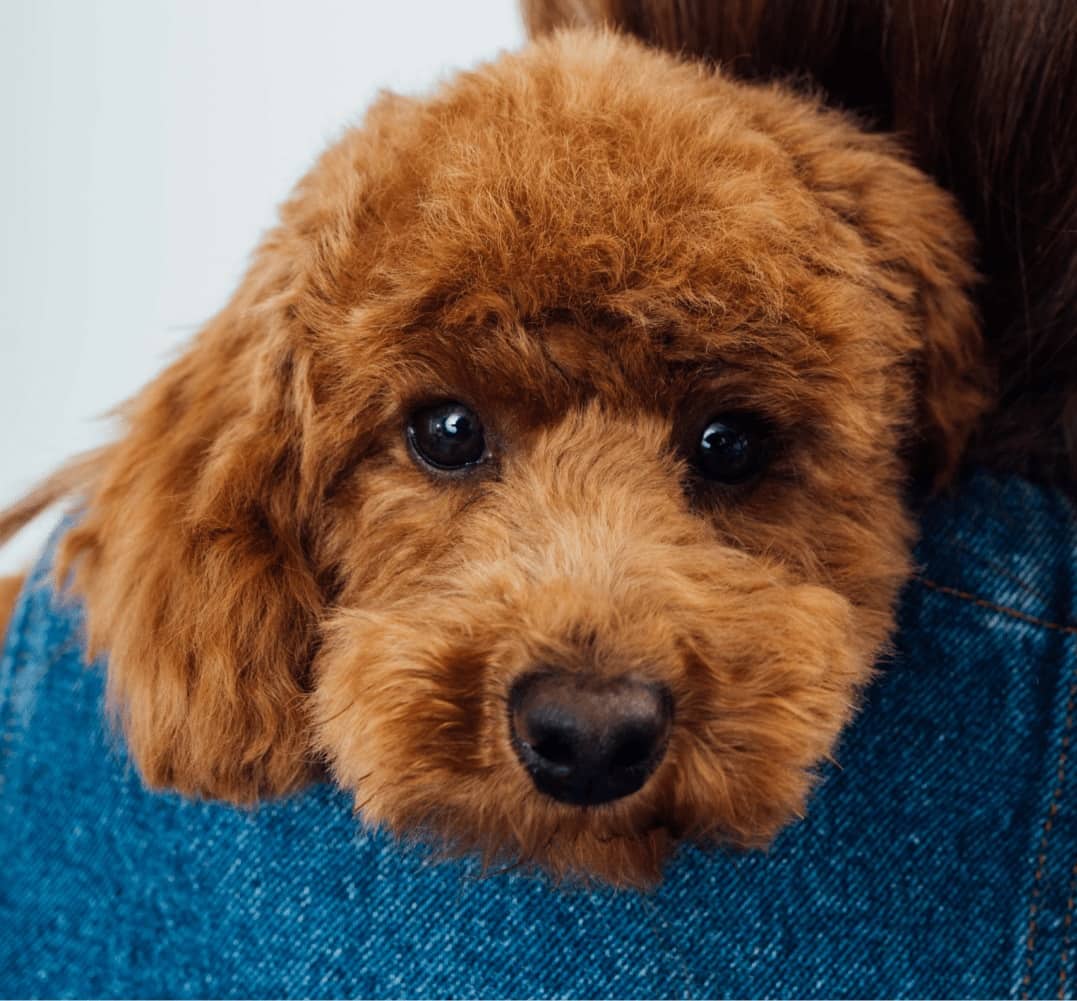
Bringing home your first dog is an exciting and life-changing experience. Whether you’ve adopted a playful puppy or a senior dog, welcoming a new companion into your home comes with responsibilities and important adjustments. To ensure a smooth transition for both you and your furry friend, here are the key things every first-time dog owner should know.
Adoption is a big change, and your new dog may feel overwhelmed at first. Some dogs will be excited, eager to explore, while others might be more reserved or anxious in their new surroundings. It’s important to create a calm environment where they can slowly get used to their new home. Avoid overwhelming them with too many new people, noises, or activities during the first few days.
Letting your dog explore at their own pace will help them feel more comfortable. Provide a quiet, safe space where they can retreat if they need to. Establishing a routine is also crucial – dogs thrive on predictability. Feeding times, walks, and bedtime should be consistent from the start to help them settle in faster.
Patience is key. Some dogs adapt quickly, while others may need weeks to fully adjust.
Before your dog arrives, ensure you have everything they need. A good quality food and water bowl, a cozy bed, a leash, and a properly fitted collar with an ID tag are all essentials. A crate or a playpen can also be helpful, especially during the first few weeks, as it provides a safe space and helps with house training.
Dogs need both physical and mental stimulation. Having a variety of toys will keep them entertained and prevent destructive behavior. Chew toys, interactive puzzles, and soft toys can help keep them occupied while they settle into their new environment.
Even if your dog appears healthy, scheduling a veterinary check-up should be one of your first steps after adoption. The vet will ensure your dog is up to date on vaccinations, free from parasites, and in good overall health. This is also the perfect opportunity to discuss their diet, any existing medical history, and preventive care measures such as flea and tick treatments.
If your dog hasn’t been spayed or neutered yet, your vet can advise you on the best timing for the procedure. Regular vet visits will help keep your dog in great shape and catch any potential health issues early on.
A well-trained dog is a happy dog, and good behavior starts with clear and consistent training. Teaching basic commands like “sit,” “stay,” and “come” will help establish a strong bond between you and your new pet. Positive reinforcement, using treats and praise, is the most effective way to encourage good behavior.
If your dog has had a difficult past or displays signs of fear or aggression, professional training might be necessary. Rescue dogs sometimes carry trauma, and working with a behaviorist or a trainer can make a huge difference in their adjustment.
Socialization is equally important. Introducing your dog to different environments, people, and other animals in a safe and controlled way will help them grow into a well-balanced companion.
Dogs need regular physical activity to stay healthy and prevent behavioral issues. The level of exercise required depends on the breed, age, and energy level of your dog. While some dogs are content with short daily walks, others need more intense physical activity, like running or playing fetch.
Mental stimulation is just as important as physical exercise. Engaging your dog in interactive games, training exercises, or scent work will help keep their mind active and prevent boredom. A well-stimulated dog is less likely to develop destructive habits.
If your dog is not house-trained, expect some accidents in the beginning. Establish a consistent routine for bathroom breaks, especially after meals, play sessions, and naps. Reward your dog when they relieve themselves in the right place to reinforce good behavior.
If accidents happen, avoid punishment—it will only create confusion and fear. Instead, clean up thoroughly and continue guiding your dog towards the correct behavior. Crate training can be an effective way to speed up house training by encouraging your dog to hold their bladder until outdoor breaks.
Trust takes time, especially with adopted dogs who may have had difficult experiences in the past. Spending quality time together—whether through play, training, or quiet moments—will help strengthen your bond. Understanding your dog’s personality and respecting their boundaries is essential for developing a deep and trusting relationship.
Dogs communicate through body language. Learning to recognize signs of stress, excitement, or discomfort will help you better understand your pet’s needs. Some dogs may be affectionate from the start, while others need time to feel safe before showing affection. The key is to let your dog open up at their own pace.
It’s also important to introduce your dog to new experiences early on, including visits to the groomer. The sooner your dog becomes familiar with grooming, the easier and less stressful it will be for them in the long run. Starting with short, positive visits – even just for a gentle brush or a quick nail trim – can help them associate the groomer with a positive experience rather than stress or fear. This is particularly important for breeds that require regular grooming.
Bringing a dog into your home is a long-term commitment that requires time, patience, and love. The first few weeks may be challenging, but with consistency and care, your dog will soon become a cherished member of your family.
At Wami Grooming, we know that taking care of a dog goes beyond just feeding and training: it also includes proper grooming and hygiene. If you want your new companion to look and feel their best, book a grooming session with us and give them the care they deserve.
Welcoming a dog into your life is an incredible journey. With the right preparation, you’ll build a lasting bond with your new best friend.